
When your pet passes away, choosing the right aftercare can feel overwhelming. Two options are traditional flame cremation and aquamation, a water-based process. Both can provide ashes you can keep, scatter, or bury, with individual aftercare options.
If you’re considering aquamation for your pet, Paws into Grace provides water-based aftercare at our Escondido facility. We help families throughout San Diego County, including those near Miramar, as well as neighboring Orange and Riverside counties.
This guide explains how each method works, what to expect, and how to choose a reputable provider. You will find plain‑English definitions, a clear comparison table, and practical steps to arrange aftercare with confidence.

TL;DR
- Aquamation uses water, heat, and alkali to reduce remains. Flame cremation uses high heat in a retort furnace.
- Both methods can return your pet’s ashes with individual aftercare. Aquamation typically yields more ashes and may has a lower environmental impact.
- Traditional flame cremation is available, but scheduling and ash-return times depend on the provider.
- Look for a clear chain of custody, written authorization forms, and accreditation or training credentials.
How the Two Methods Work
Understanding how aquamation and traditional cremation work can help you choose the right aftercare for your pet. Each method uses a different process, and knowing what happens afterward can make the decision easier.
What Is Aquamation?
Aquamation is the common name for alkaline hydrolysis, a process that uses water, an alkaline solution, heat, and sometimes pressure to speed natural decomposition. Soft tissues break down into simpler compounds, leaving bone minerals that are rinsed, dried, and processed into a fine, light-colored powder commonly called ashes. The liquid byproduct must be managed in accordance with applicable wastewater regulations.
Aquamation often produces more ashes than flame cremation. We perform aquamation at our own aftercare facilities, where our team handles your pet’s identification and care throughout the process. If you choose individual aquamation, we’ll explain how we keep your pet’s remains separate and when you can expect their ashes to be returned.
What Is Traditional Cremation?
Traditional cremation is a flame‑based process performed in a sealed chamber called a retort. High heat reduces the body to bone fragments, which are then processed into ash. Modern crematories follow set procedures for identification, recordkeeping, and safe operation. Air permits or local rules may apply to fuel use and emissions.
If you prefer traditional flame cremation, we can help arrange it. Our team can explain how this option differs from our in-house aquamation service so you can choose the aftercare that best suits your wishes.
Aquamation vs. Traditional Cremation for Pets: Key Differences
Comparing these factors helps you choose the care path that best fits your family’s needs.
| Factor | Aquamation (Alkaline Hydrolysis) | Traditional Cremation (Flame) |
| Core Process | Water, alkali, heat, and sometimes pressure reduce remains; bones are dried and processed | High heat in a retort reduces remains; bones are processed |
| Environmental Profile | Uses less energy and avoids direct combustion emissions; produces wastewater requiring proper treatment | Uses high heat and produces emissions; subject to applicable environmental regulations |
| Ash Quantity | Typically produces more recovered bone material | Usually produces less recovered bone material |
| Timing | Processing cycles may be longer; overall scheduling and turnaround vary | Processing cycles are often shorter; overall scheduling and turnaround vary |
| Availability | Growing but varies by region; check your area | Common in most communities |
| Regulatory Notes | Wastewater discharge must comply with local pretreatment rules; some states publish alkaline hydrolysis regulations | Crematories follow local/state rules; fire safety and air regulations can apply |
| Good Fit If You Value | Water-based aftercare, greater ash recovery, and potential environmental benefits | Traditional flame-based aftercare and broader availability |
What You Receive and How It Feels
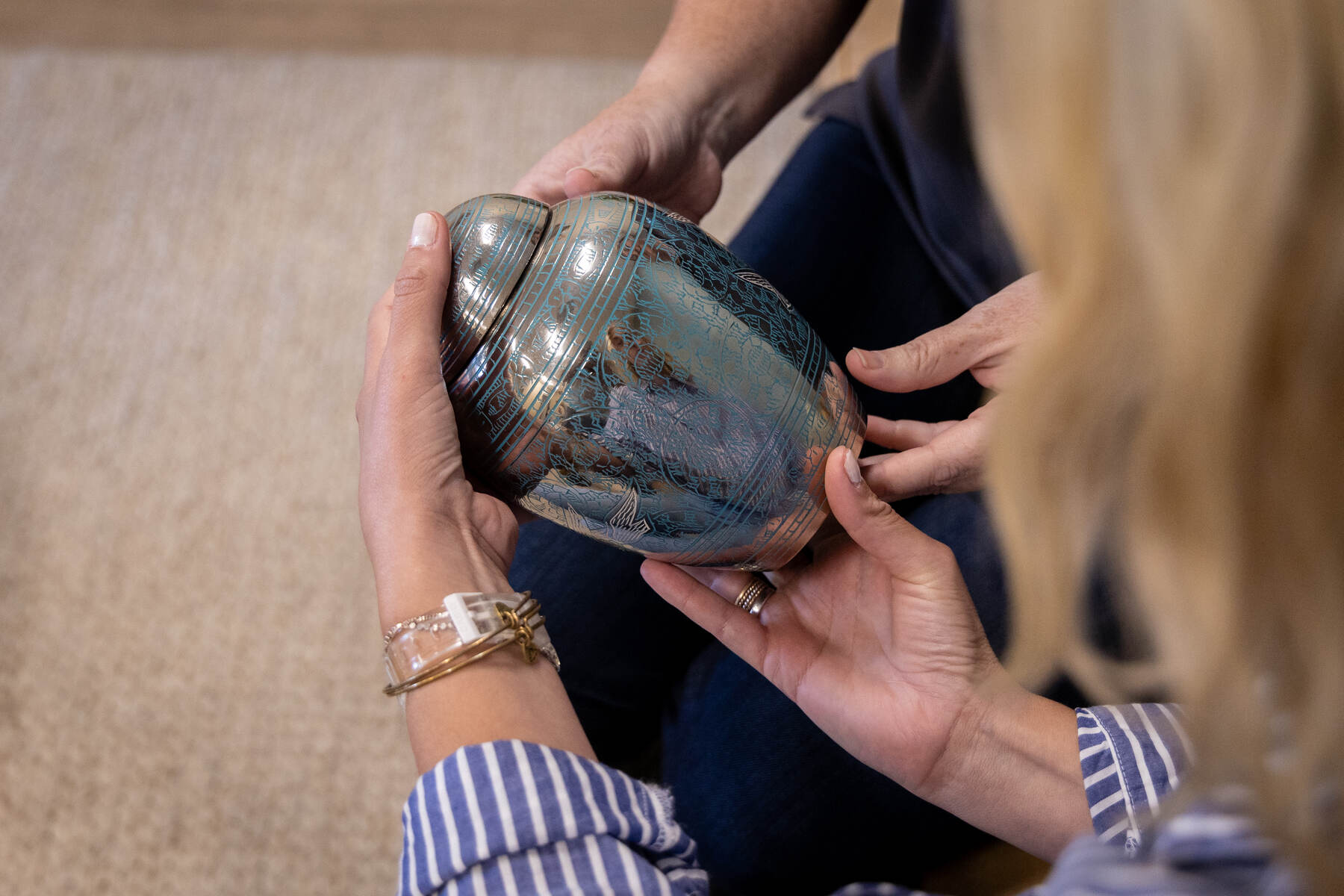
Both methods can provide cremated remains, commonly called ashes, when you choose individual aftercare. Aquamation typically produces light-colored remains, while flame cremation often produces off-white to gray remains.
Differences in ash color are normal and do not, by themselves, indicate a problem with the aftercare process. You can scatter, keep at home, or bury the ashes according to local rules and your preferences. Most pet aftercare providers offer individual and communal options. However, procedures can vary by facility.
- Private cremation: One pet is processed alone, and their ashes are returned to the family. Can be expensive.
- Individual or individually partitioned cremation: (most common) Pets may be processed in designated separate sections, with identification procedures used to keep their remains separate.
- Communal cremation: Multiple pets are processed together, and individual ashes are not returned.
Before choosing an aftercare service, ask whether your pet will be processed alone, in a separate partition, or communally. If you’re arranging aftercare with us, we’ll explain how each available option works and whether your pet’s ashes will be returned.
If you don’t want your pet’s ashes returned, we also offer communal aquamation. The collective remains are respectfully scattered at sea through our partner, Oceans of Love. You can still arrange selected memorial keepsakes, such as a paw print or fur clipping, to remember your pet.
Safety, Compliance, and Professional Standards
Aquamation facilities must handle the sterile liquid in accordance with local wastewater authority rules. In many places, this liquid goes to a publicly owned treatment works under pretreatment programs that set pH and other limits.
When choosing a pet aftercare provider, look for recognized credentials such as facility accreditation from the International Association of Pet Cemeteries & Crematories (IAOPCC). Accreditation evaluates standards for identification, recordkeeping, cleanliness, and professional care.
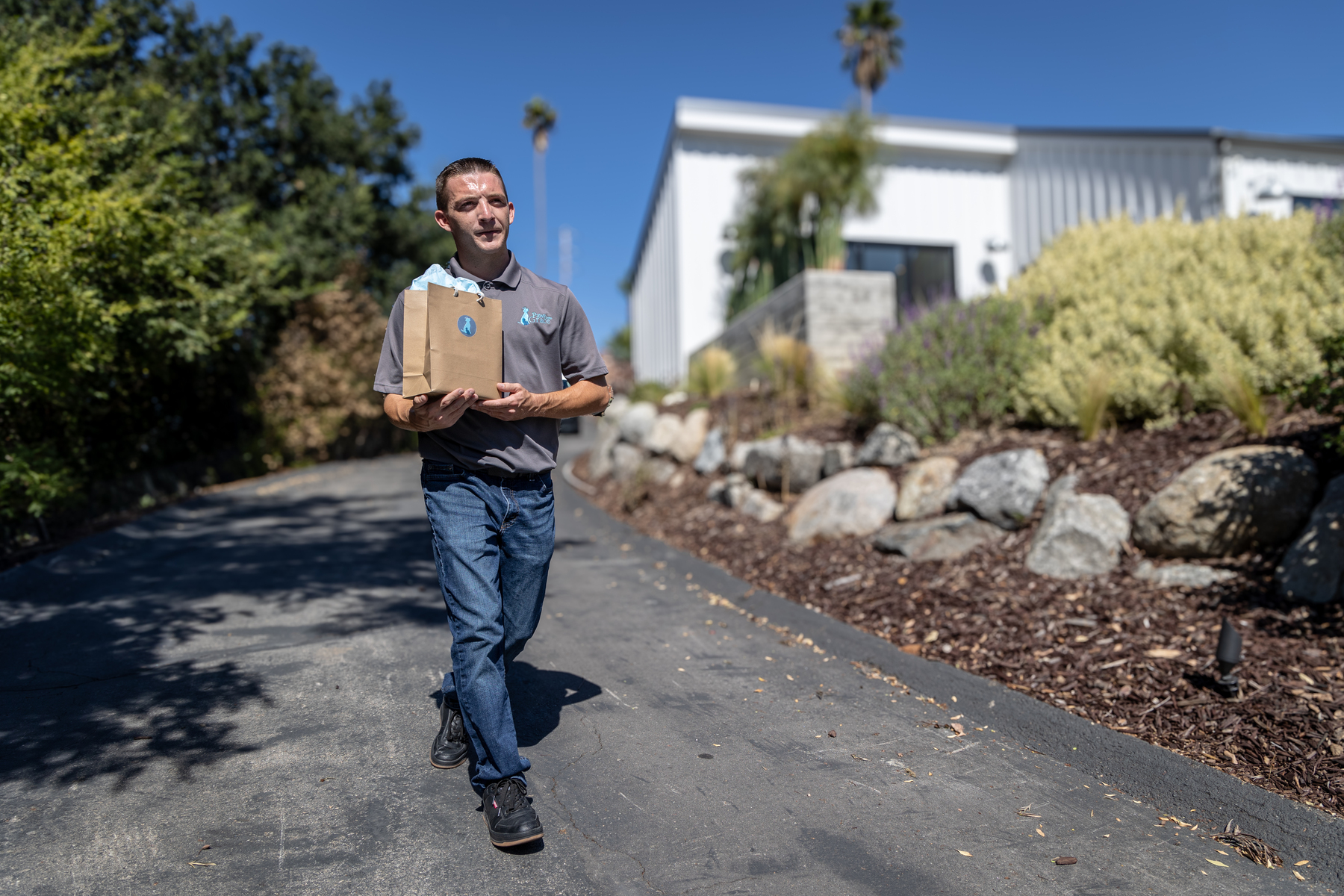
At Paws into Grace, we operate California’s first IAOPCC-accredited aquamation facility. Our team oversees your pet’s identification, handling, and aftercare at our own facility. Before arranging services, ask about our tracking procedures and how we maintain accountability throughout the process.
Cost, Scheduling, and Practical Tradeoffs
The cost of pet cremation or aquamation depends on your pet’s size, your location, transportation, and additional services. Larger pets generally require more resources, which can increase the cost. Aquamation and traditional cremation prices vary by provider, so neither method is always more expensive.
Traditional flame cremation usually has a shorter processing cycle, but the total time needed to receive ashes depends on the provider’s schedule and procedures.
We offer individual and communal aquamation, with pricing based on your pet’s weight and the services you choose. When requesting an estimate, share your pet’s approximate weight and location. Our team can explain transportation arrangements, included memorial items, and any additional fees before you schedule aftercare.
Examples
These examples show how families may choose different aftercare services based on their preferences and plans for their pet’s remains.
Individual Aquamation for a Senior Cat
A family in San Diego loses their elderly cat and wants to keep their pet’s ashes. They choose individual aquamation because they prefer a water-based process and want a lasting memorial.
The family arranges transportation and asks about the expected return date. They also learn that individual aftercare includes an urn, a personalized clay paw print, and, when possible, a fur clipping.
Communal Aquamation for a Large Breed Dog
A family in Escondido loses their German Shepherd but doesn’t wish to keep the ashes. They choose communal aquamation and learn that the collective remains are respectfully scattered at sea.
Before arranging aftercare, they request a weight-based estimate and ask about transportation. They also explore memorial keepsakes that don’t require ashes to be returned.
Actionable Steps / Checklist
Before choosing an aftercare provider, use this checklist to compare services, understand potential fees, and ask questions about how your pet will be cared for.
- Choose between private and communal cremation, and confirm definitions in writing.
- Ask about chain‑of‑custody, including ID tags, logs, and final verification steps.
- Review the aftercare authorization form your chosen facility provides. Confirm that your information and preferred aftercare option are recorded correctly before signing.
- Check credentials, such as IAOPCC accreditation or an IAOPCC membership.
- Ask your provider how its facility follows applicable environmental and safety regulations. The facility is responsible for meeting the requirements that apply to its operations.
- Ask how your pet will be transported, when their ashes may be returned, and whether pickup or delivery fees apply.
- Confirm urn size, engraving options, paw prints, and keepsakes before you pay.
- If choosing aquamation, ask how your pet will be identified, how the process works, and when their ashes will be ready.
- When requesting an estimate, share your pet’s approximate weight, location, and preferred aftercare option. Ask for an itemized breakdown of transportation, included services, keepsakes, and additional fees.
Glossary
Clear definitions of aftercare terms remove confusion during emotional moments, making it easier to discuss care options with confidence.
- Aquamation: A water‑based process that uses alkali and heat to reduce remains; the formal term is alkaline hydrolysis.
- Alkaline Hydrolysis: The chemical name for aquamation; it accelerates natural decomposition in a closed vessel.
- Retort: The high‑temperature chamber used for flame cremation.
- Cremated Remains: The processed bone fragments returned to the family as ash.
- Private Cremation: One pet is processed alone, and ashes are returned to the family.
- Communal Cremation: Multiple pets are processed together, and ashes aren’t returned.
- IAOPCC: International Association of Pet Cemeteries & Crematories, which publishes pet cremation standards and accredits facilities.
FAQ
Q: Do I get ashes back with aquamation like with traditional cremation?
A: Yes, if you choose individual aftercare that includes the return of your pet’s ashes. Both methods produce processed bone remains, although aquamation typically yields more. With communal aftercare, individual ashes are not returned.
Q: Does aquamation use acid?
A: Aquamation doesn’t use acid. Instead, the process uses an alkaline solution, water, and heat in a sealed vessel.
Q: Are the remains safe to keep at home or bury?
A: Yes. The processed bone remains from either method can be stored in an urn or suitable memorial container. You can also bury or scatter the ashes where permitted. Check local regulations before choosing a burial or scattering location.
Q: How long does aquamation take compared to traditional cremation?
A: Flame cremation typically has a shorter processing cycle than aquamation. However, the time needed to receive your pet’s ashes depends on scheduling, preparation, and transportation. Ask your provider for an estimated return date before arranging aftercare.
Final Thoughts
Choosing between aquamation and traditional cremation depends on your preferences, budget, and plans for your pet’s remains. Understanding how each method works can help you choose what feels right for your family.
At Paws into Grace, we help families across San Diego and neighboring Riverside and Orange counties arrange pet aftercare. Whether you’re closer to our Escondido or Miramar facility, our team can explain individual and communal aquamation, coordinate transportation when needed, and help you choose memorial keepsakes.
