
Saying goodbye is one of the hardest parts of loving an animal. For Orange County families considering in-home pet euthanasia, having a licensed veterinarian come to your home allows your beloved pet to stay in a calm, familiar place, surrounded by the people they know and love.
At Paws into Grace, we aim to make this difficult experience as peaceful and dignified as possible for both pets and their owners. This guide explains how in-home pet euthanasia works, what to expect during an appointment, important California and Orange County considerations, costs, aftercare options, and ways to prepare.
What In-Home Pet Euthanasia Is and How It Works
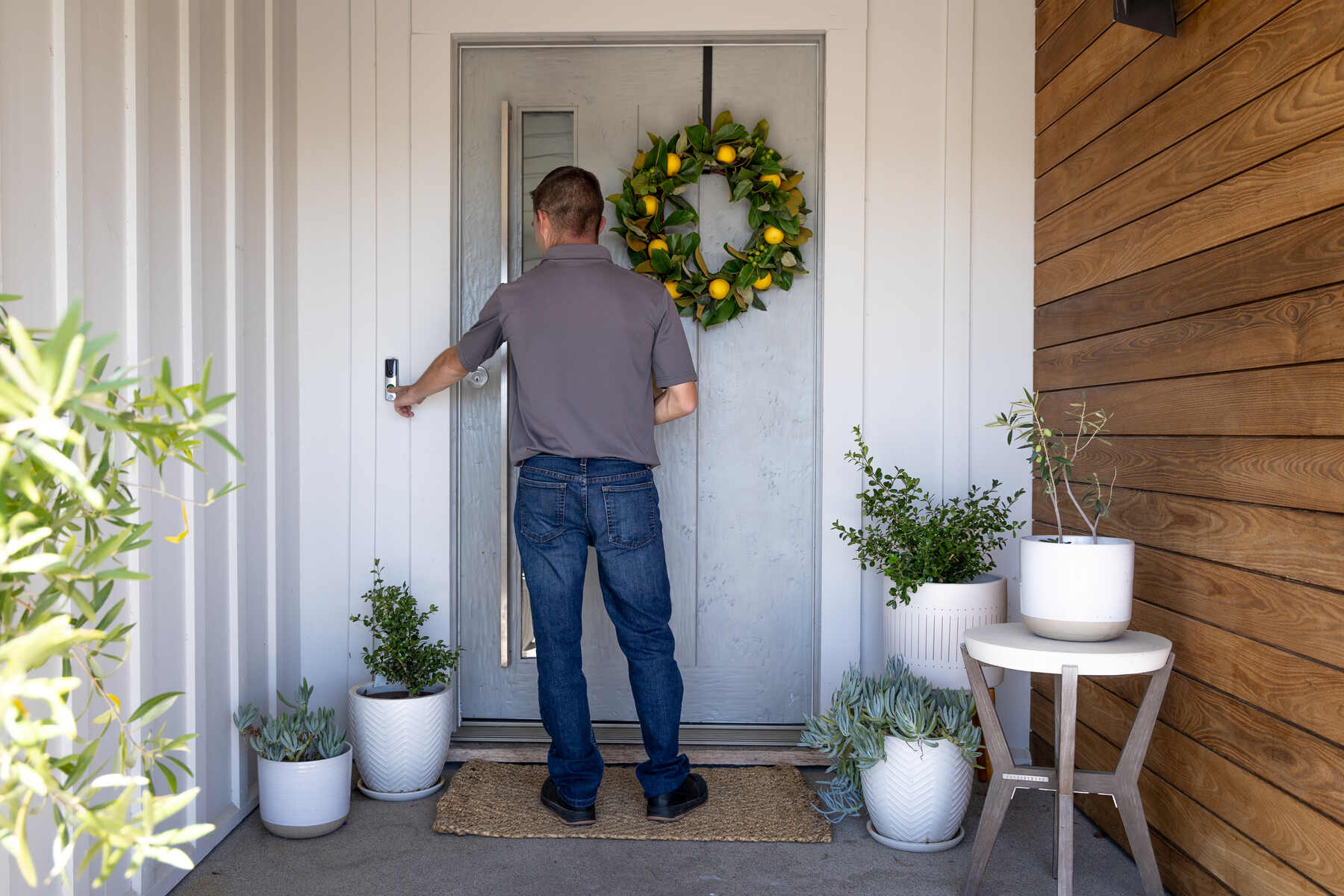
In-home euthanasia is a veterinary house call designed to minimize fear, discomfort, and unnecessary stress at the end of a pet’s life. When you schedule an appointment with Paws into Grace, one of our veterinarians comes to your home so your pet can remain in familiar surroundings throughout the process.
Here’s what you can expect during the appointment:
- Arrival and preparation: Your veterinarian will greet you and your pet and guide you through any necessary paperwork before the appointment begins.
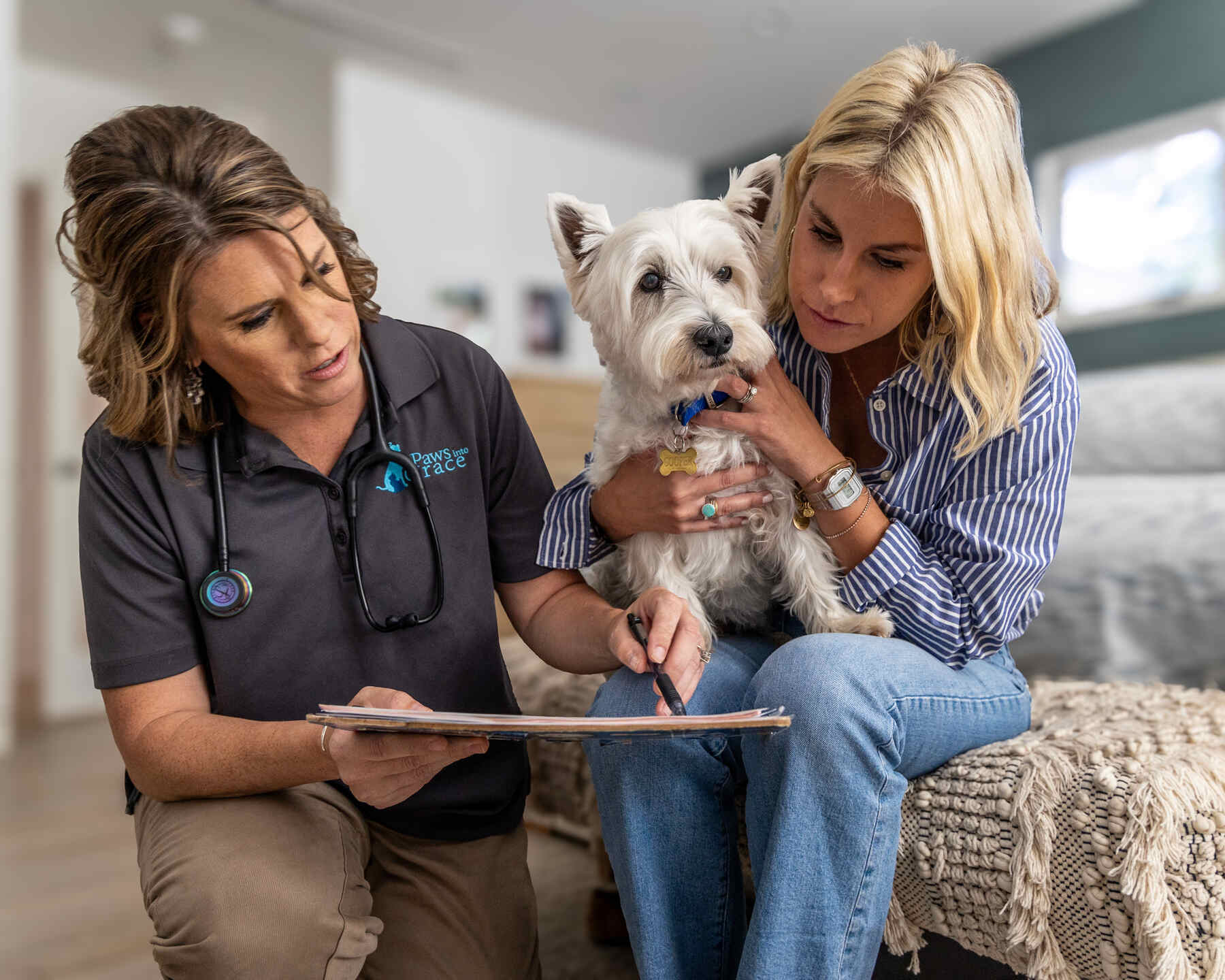
- Sedation and pain medication: The veterinarian first administers a sedative along with pain medication. With our protocol, pets generally become deeply relaxed within approximately 10 to 15 minutes. This gives you quiet time to hold your pet, talk to them, or simply be together.
- Final medication: When you are ready, you may stay beside your pet or step into another room if that feels more comfortable. The veterinarian places a temporary IV catheter and administers the final medication.
- Time to say goodbye: After confirming that your pet has passed, the veterinarian allows your family the time you need before moving forward with aftercare.
There’s no one right way to spend these final moments. Some pet parents choose music or favorite blankets, while others gather the whole family or prefer a very private goodbye. Being at home gives you greater control over the surroundings and pace.
How Do You Know When It Is Time?
One of the most difficult questions families face is deciding when to say goodbye. People are sometimes told they will “just know,” but the reality is more complicated. Pets cannot tell us exactly how much pain, nausea, anxiety, weakness, or discomfort they’re experiencing.
In our work with pet owners, we often hear pet owners express regret after their pet’s passing that they waited too long before calling for veterinary euthanasia at home. Instead, you can look for changes in your pet’s comfort and quality of life, including whether they can still:
- Eat
- Drink
- Rest comfortably
- Breathe without distress
- Move without significant pain
- Use the bathroom
- Interact with family
- Enjoy the things that have historically pleased them
Share these observations with your veterinarian. Talking through your options early can help avoid a crisis and give you the opportunity to say goodbye on a peaceful day, before your pet is experiencing significant discomfort or distress. Waiting longer can mean there is a higher risk or medical emergency.
Why Orange County Families Choose At-Home Goodbyes
Pet owners choose in-home pet euthanasia in Orange County for many reasons:
- Familiar surroundings can reduce anxiety. Sick, elderly, or mobility-limited pets don’t need to endure a stressful car trip or an unfamiliar veterinary office.
- Your pet can stay where they feel safest. Their favorite bed, couch, blanket, yard, or family member can remain close.
- You control who is present. A goodbye can be quiet and private or include children, extended family members, and other pets.
- You control the environment and pace. Families may choose music, lighting, prayer, photos, favorite treats, or personal rituals.
- There are fewer clinical distractions. No waiting rooms, unfamiliar smells, sounds, animals, and equipment can stress pets who already feel unwell.
- Children can say goodbye in a familiar setting. With appropriate preparation, being included can give children an opportunity to understand, process, and talk about loss.
Our support services are available to anyone who needs guidance in navigating grief and the difficult emotions that can come with losing a pet.
Beautiful Goodbyes at Home
At Paws into Grace, we believe the end of a pet’s life deserves the same thoughtfulness and compassion as every other stage of their journey. Our mission is to provide peaceful, dignified endings while helping families say goodbye where their pet feels safe and loved. For many animals, that place is home.
An in-home goodbye cannot remove the grief of losing a cherished companion. Instead, it can create space for a farewell that feels calmer, more personal, and centered on your pet’s comfort.
Legal and Ethical Basics in California and Orange County
California law regulates veterinary practice and who may perform certain veterinary procedures, while professional guidelines address humane euthanasia practices. Understanding these requirements can help people know what to expect when arranging end-of-life care at home.
Who Can Perform Pet Euthanasia?
Our veterinarians provide in-home euthanasia appointments. California law also contains separate provisions governing who may perform euthanasia or administer euthanasia drugs in settings such as animal shelters and humane societies.
Standards of Care
The American Veterinary Medical Association recognizes barbiturate injection as an acceptable method of euthanasia when performed appropriately. Pre-euthanasia sedation can help minimize anxiety and discomfort and allow a pet to become relaxed before the final medication is administered.
Veterinary Records and Supervision
Mobile veterinarians are subject to California veterinary regulations and maintain medical records just as veterinary practices operating from physical clinics do.
Handling Your Pet’s Remains
Rules for handling and disposing of animal remains vary by location in Orange County. Individual cities may have their own requirements, including restrictions on home burial. If you’re considering burial at home, check your city’s municipal code and any HOA, rental, or property restrictions before making plans.
Aftercare Options in Orange County
After your pet passes, you may choose from several aftercare options.
- Private cremation: Your pet is cremated separately, and their ashes are returned to you.
- Communal cremation: Multiple pets are cremated together, and providers don’t return individual ashes.
- Aquamation: Aquamation, also called alkaline hydrolysis, uses water and alkali rather than flame to process remains. Availability varies among providers.
- Pet cemetery: Pet parents may also choose burial through a dedicated pet cemetery.
- Home burial: Rules differ by city, so always check your local municipal code first.
These are general aftercare options that may be available to Orange County pet owners. We offer memorial, aftercare, and pet cremation services, and our team can explain which options are available when you schedule your pet’s appointment.

Paws into Grace In-Home Pet Euthanasia Orange County Pricing
Our Orange County in-home pet euthanasia starts at $505 plus a travel fee, with the final travel charge depending on your location. Aftercare options, including transportation of your pet and cremation, are also available for an additional fee.
Because your total cost can depend on travel, appointment timing, and the aftercare services you select, we can provide pricing information before you finalize your plans.
Other Factors That Can Affect Pet Euthanasia Costs
Depending on the provider, the total can be affected by:
- Travel distance
- Appointment time
- Evening or after-hours fees
- Your pet’s weight, particularly for cremation or other aftercare services
- Private or Communal Aquamation (cremation)
- Memorial keepsakes
- Hand delivery of ashes
When comparing providers, ask whether each quote includes travel, cremation, keepsakes, taxes, and any applicable surcharges, so you can compare services accurately.
In-Home vs. Clinic vs. Shelter Pet Euthanasia
Comparing setting options helps pinpoint where your pet will feel most at ease during their final moments. Families throughout the region often choose peaceful home care because it removes car rides and clinic stress.
| Factor | In-home veterinarian | Veterinary clinic | Public shelter |
| Comfort for Pet | Highest; avoids travel and the unfamiliar clinic environment | Moderate; clinical environment | Variable; not a home environment |
| Family Presence | Full control over who is present | Usually permitted | May be limited or none |
| Scheduling Flexibility | Often more flexible | Generally clinic hours | Set hours and policies |
| Typical Cost Position | Highest | Mid-range | Lowest |
| Aftercare Coordination | Usually coordinated by visiting veterinarian | Clinic arranges with third party of cremation | Usually fewer personalized options |
Cost matters, but families should also consider their pet’s mobility, anxiety level, medical needs, desired environment, and who they want present.
How to Choose an In-Home Veterinarian in Orange County
When researching providers, consider these questions:
- Is the veterinarian licensed through the California Veterinary Medical Board?
- Is sedation provided before euthanasia?
- What medications and protocol are used?
- How long should you expect the appointment to take?
- What happens if your pet’s health declines significantly before the scheduled appointment?
- What aftercare options are available? Do they own their own cremation facility?
- Will they be using a third party for cremation services?
- Who transports your pet after the appointment?
- How are remains identified and tracked?
- How and when are ashes returned?
- Are travel or after-hours charges additional?
- Can you receive a complete written estimate before booking?
You may also want to ask what emotional or grief support resources are available after your pet passes.
Preparing Your Home and Family for the Visit
There’s very little you have to do before an in-home euthanasia appointment. Your pet’s comfort is more important than making the setting perfect. If planning helps you feel more prepared, consider the following.
Choose a peaceful place where your pet naturally feels comfortable. This might be their bed, the couch, your lap, a sunny spot by a window, or even a favorite outdoor area if conditions allow. You may also want to:
- Put out a favorite blanket or bed
- Gather favorite toys or photographs
- Decide who will be present
- Talk with children beforehand in age-appropriate language
- Decide whether other pets will be present
- Choose any music, readings, prayers, or rituals
- Decide on any memorial keepsakes you’re interested in
- Complete any paperwork your provider sends you in advance, when possible
- Arrange easy parking or building access for the veterinarian
- Decide on aftercare before the appointment (individual cremation, communal cremation, or home burial)
Your goodbye doesn’t have to look a certain way. Do what feels meaningful for your family and comforting for your pet.
Examples
The following examples illustrate what an in-home goodbye might look like for pet owners facing different end-of-life circumstances.
Small-Dog Goodbye in Costa Mesa
A 15-year-old terrier with heart disease has stopped eating and struggles to breathe at night. The family books an evening home visit so their college-aged kids can be present. The vet gives a subcutaneous sedative, and within minutes the dog is sleeping in his owner’s lap.
After final goodbyes, the vet administers the euthanasia injection and confirms the pet has passed. The family chooses private cremation. Ashes, urn, and clay paw print arrive at their home in a few weeks.
Cat With Mobility Limits in Mission Viejo
A senior cat with arthritis and kidney failure becomes distressed during car rides and yowls in the clinic. The family opts for in-home care. The veterinarian reviews recent labs, explains the steps, and gives a calming injection so the cat naps on the sunlit couch.
The euthanasia medication is given through a small IV. The vet answers questions about grief support and transports the cat for communal cremation, providing follow-up resources.
Actionable Steps / Checklist
A thoughtful preparation checklist takes away the guesswork so you can devote your full emotional energy to your pet.
- Determine where you would like your pet to rest during the appointment.
- Decide who you want to be present.
- Talk to children about what will happen if they participate.
- Ask your veterinarian to explain the sedation and euthanasia protocol.
- Choose your preferred aftercare option.
- Check local rules if considering home burial.
- Decide whether you want paw prints, fur clippings, or other keepsakes.
- Arrange parking and home or building.
- Complete paperwork when possible.
- Confirm the full cost, including travel and after-hours fees.
- Prepare any meaningful blankets, toys, treats, music, or photographs.
- Give yourself time after the appointment rather than rushing immediately back into normal obligations.
Glossary
Familiar terms clear away medical confusion, allowing you to focus entirely on honoring your companion’s life.
- Euthanasia: A humane medical procedure intended to end life and relieve suffering.
- Sedation: Medication that allows a pet to become calm, sleepy, and deeply relaxed before euthanasia.
- Sodium Pentobarbital: A barbiturate commonly used for veterinary euthanasia.
- Private Cremation: A pet is cremated separately, and their ashes are returned to the family.
- Communal Cremation: Multiple pets are cremated together, and individual ashes aren’t returned.
- Aquamation: Also called alkaline hydrolysis; a process using water and alkali rather than flame.
- Chain of Custody: The documented handling and identification of remains through the aftercare process.
- VMB: The California Veterinary Medical Board, which licenses and regulates veterinarians in the state.
FAQ
Will my pet feel pain during in-home euthanasia?
The goal is to keep your pet comfortable and deeply relaxed. A vet first administers a sedative along with pain medication. Pets generally become deeply relaxed within about 10 to 15 minutes before the final medication is given.
What happens during a Paws into Grace home euthanasia appointment?
The veterinarian arrives at your home, meets you and your pet, and reviews the necessary paperwork. The veterinarian administers sedation and pain medication first. Once your pet is deeply relaxed and your family is ready, the veterinarian places a temporary IV catheter for the final medication. The veterinarian then confirms your pet has passed.
Do I have to stay beside my pet during the final injection?
No. You can remain beside your pet throughout the appointment, or you can step into another room before the final medication if that feels more comfortable. There’s no right or wrong choice.
Can my children be present?
Yes. Some pet owners choose to include children so they can say goodbye in a familiar environment. Preparing children beforehand and explaining what will happen in age-appropriate language can help.
Can other pets be present?
For everyone’s comfort and safety, we kindly ask that all other pets be safely contained while our veterinarian is present.
How much does in-home pet euthanasia cost in Orange County?
Our Orange County in-home euthanasia currently starts at $505 plus a travel fee. Aftercare services cost extra. Evening appointments may also include an after-hours fee.
Can Paws into Grace handle cremation after euthanasia?
Yes. Paws into Grace owns and operates two Aquamation (cremation) facilities in San Diego County. Offering private viewings and additional memorial keepsakes. The team can help you arrange the aftercare option you choose as part of your pet’s appointment.
Is backyard pet burial legal in Orange County?
Rules vary by city. Some Orange County municipalities restrict or prohibit burial on private property. Check the municipal code where you live, along with any HOA or rental restrictions, before choosing home burial.
What if I am not sure whether it is time?
That uncertainty is extremely common. Consider your pet’s pain, breathing, appetite, hydration, mobility, hygiene, ability to rest comfortably, interaction with family, and whether they still enjoy meaningful parts of daily life. Planning before your pet enters an acute crisis can give you more time to make a thoughtful decision. Consider booking a Quality of Life exam with Paws into Grace if you’re unsure about your pet’s prognosis or outlook.
How far in advance should I schedule?
Orange County appointments are currently limited and can fill quickly. If your veterinarian has told you that your pet is approaching the end of life, contacting our veterinary team before the situation becomes an emergency may give you more scheduling flexibility.
A Peaceful Goodbye at Home
Choosing euthanasia for a beloved pet is never easy. For families considering in-home pet euthanasia in Orange County, having the veterinarian come to you can eliminate the stress of a final car ride or clinic visit and allow your pet to remain where they’re most comfortable.
At Paws into Grace, our goal is to help pet owners create peaceful, dignified goodbyes while supporting them through the decisions before and after a pet’s passing. If you believe your pet may be approaching the end of life, you don’t have to navigate the process alone. Our team of qualified vets and staff are here to help.