
Saying goodbye at home lets your pet rest in a familiar place and gives your family privacy during an emotional time. For many Riverside County families, that may mean choosing a favorite bed, quiet living room, sunny window, or shaded spot outside instead of traveling to a veterinary clinic.
Paws into Grace provides compassionate in-home pet euthanasia in Riverside County, helping families understand what will happen, make informed aftercare decisions, and spend their final moments with their pet without feeling rushed.
This guide explains how in-home pet euthanasia works, what to expect during a Paws into Grace appointment, how to plan aftercare in Riverside County, and where families can find additional support.
How In-Home Pet Euthanasia Works
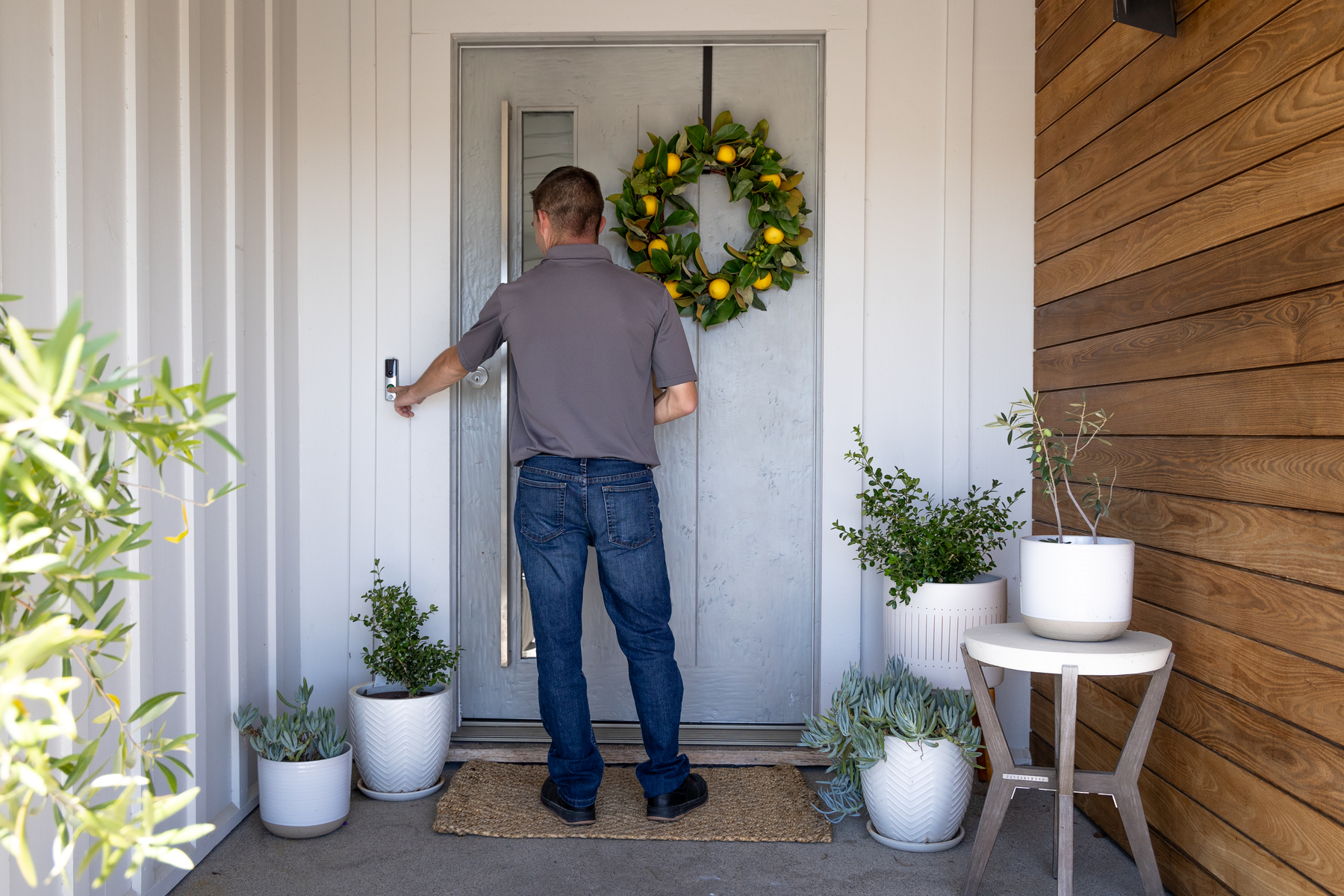
When a Paws into Grace veterinarian arrives at your home, a Riverside in-home pet euthanasia appointment begins with emotional support, any necessary paperwork, and a clear explanation of the process. Families have time to ask questions before proceeding.
Before the visit, consent paperwork is completed, reducing the number of administrative decisions you need to handle during an already difficult appointment.
The First Medication
The veterinarian first administers a combination of sedative and pain medication. This lets your pet gradually relax into a deep, painless sleep while you stay beside them.
Deep sedation generally takes about 10 to 15 minutes. During this time, you can comfort your pet, talk to them, or simply sit with them in their favorite place.
The Final Medication
Once your pet is deeply sedated and you’re ready, the vet will explain that the final portion of the procedure is beginning. You can remain with your pet, or you may choose to step into another room if that feels more comfortable for you. There’s no single right way to experience this part of the goodbye.
A small IV catheter is gently placed into your pet’s vein, allowing our veterinarian to administer the final medication. This medication helps your pet peacefully drift into a deep, unconscious state before gently allowing their heart to come to rest.
After the medication has been given, the vet confirms that your pet has passed by checking heartbeat and breathing.
| Stage | What Paws into Grace Does | What You Can Do |
| Arrival | Provides emotional support, reviews paperwork, and explains the process | Ask questions and settle your pet in a comfortable place |
| Sedation | Gives sedative and pain medication to help your pet enter a deep sleep | Stay beside, comfort, or talk to your pet |
| Waiting period | Allows about 10–15 minutes for deep sedation | Spend quiet time with your pet |
| Final medication | Places a temporary IV catheter and administers the euthanasia medication | Remain with your pet or step away if you prefer |
| Confirmation | Checks for signs confirming your pet has passed | Take the time you need for your goodbye |
| Aftercare | Explains and coordinates available aftercare options | Choose individual or communal aftercare |
What You May See During the Procedure
Knowing what may happen can make the experience less frightening.
- After the first medication, your pet will become sleepy, then deeply sedated.
- Breathing and heartbeat will eventually slow and stop after the final medication.
- Your veterinarian will confirm your pet’s passing.
- Normal reflexes can occasionally occur, including a soft sigh or brief muscle movement. Your veterinarian can explain these responses so they do not come as a surprise.
Our vets explain the process as it happens so your family knows what to expect at each stage.
Why Riverside Families Choose In-Home Pet Euthanasia
Compared to your home, a veterinary hospital or clinic can include unfamiliar smells, medical equipment, other animals, and people your pet doesn’t know. Dogs, cats, and smaller companion animals such as rabbits or guinea pigs may also feel stressed by travel or unfamiliar surroundings.
Instead of an uncomfortable or stressful trip to a clinic, at your Riverside home, your pet can remain in the comfort of their favorite bed, resting place, enclosure, or other familiar spaces.
In-home euthanasia also gives families greater control over the setting. You may choose to be alone with your pet or have children, relatives, or other important people present. Likewise, you can take the time you need afterward instead of driving home immediately.
For many families, reducing the medical atmosphere of the goodbye makes it easier to focus on their relationship with their pet, whether they’re saying goodbye to a dog, cat, or smaller companion animal.
Making a Compassionate End-of-Life Decision for Your Pet
Deciding when to say goodbye can be one of the hardest parts of caring for an aging or seriously ill pet.
Tracking your pet’s comfort with a quality-of-life checklist may help. A commonly used framework considers pain control, appetite, hydration, hygiene, happiness, mobility, and whether your pet has more good days than bad.
Consider recording changes over several days rather than relying on one particularly difficult day. Your regular vet or an end-of-life care veterinarian can help you interpret those changes in the context of your pet’s condition.
Preparing Children and Other Family Members
Children and other family members can be included in the goodbye when that feels appropriate for your family.
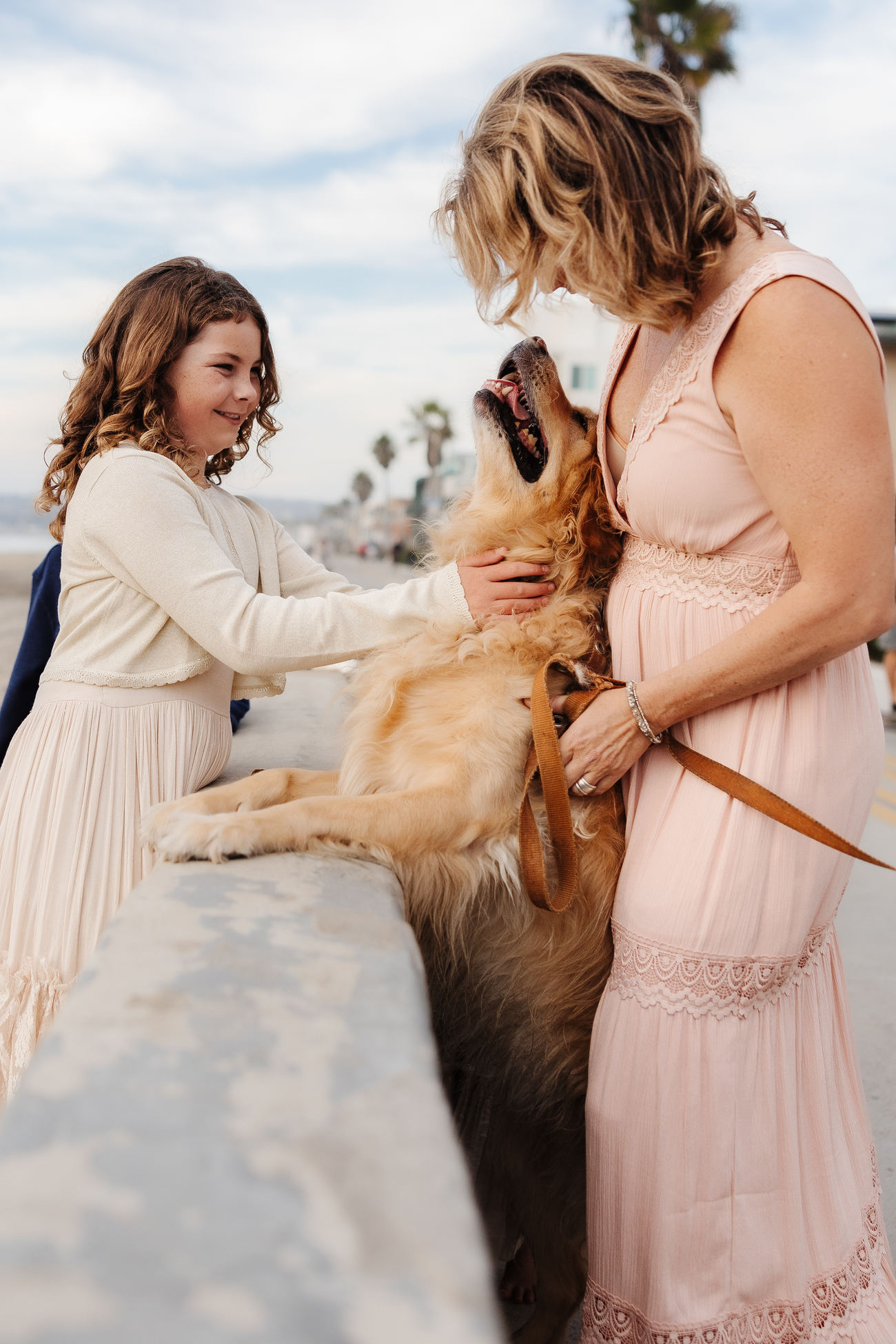
We believe children can benefit from an age-appropriate opportunity to participate, rather than having pet death treated as something that cannot be discussed. Although the experience will naturally be sad, it can also create an opportunity to talk openly about death, grief, love, and remembrance.
Our support resources include articles and memorial ideas to navigate pet loss with children. Other pets may also be nearby during the appointment. Some families choose to allow surviving pets to see or sniff their friend/sibling afterward.
Aftercare Options in Riverside County
After your pet has passed, our vet will explain available aftercare options. If you choose aftercare through Paws into Grace, our team can coordinate it directly following the in-home appointment.
Individual Cremation
With individual aftercare, we return your pet’s processed remains to your family. We offer Aquamation, or alkaline hydrolysis, a water-based alternative to flame cremation that typically returns more remains.
We own and operate our own IAOPCC-accredited aquamation facility, so our team can oversee the process from transportation through the return of remains.
Communal Cremation
With communal cremation, we don’t return your pet’s individual remains. This option may be appropriate for families who do not wish to keep their pet’s remains.
Communal remains are respectfully spread at sea through our partner, Oceans of Love.
Burial
Backyard burial rules vary by county, city, and homeowners association, so check local requirements before choosing this option.
The medication used during euthanasia can remain in an animal’s body after euthanasia and may harm wildlife or other animals if the remains are disturbed. Discuss safe handling and containment with your vet before burial.
California Rules You Should Know
California has specific requirements for veterinary euthanasia that apply to providers and, in some situations, pet owners. Knowing the basics can help prevent delays or complications before an in-home appointment.
- Who can perform euthanasia: In-home euthanasia must be performed by a California-licensed veterinarian. Certain trained shelter personnel may administer euthanasia drugs, but this exception doesn’t apply to private house calls.
- Veterinary standards: Veterinarians must use accepted euthanasia methods that minimize pain and distress. California mobile and house-call practices must also follow applicable Veterinary Medical Board requirements.
- Recent bites or rabies exposure: California generally requires 10 days of observation or euthanasia followed by rabies testing. Report recent bites or possible exposures before the appointment.
What to Confirm Before Scheduling In-Home Euthanasia
Paws into Grace simplifies the process by providing a licensed veterinarian, explaining the sedation and euthanasia procedure, allowing time for goodbyes, and coordinating aftercare when selected.
- Aftercare and keepsakes: We can arrange cremation or aquamation and help you choose options such as urns, paw prints, fur clippings, and other memorial keepsakes.
- Pricing: Costs vary by location, travel distance, appointment time, and aftercare. Cremation and aquamation pricing depends on weight, and travel, weekend, holiday, or after-hours fees may apply.
- Getting an estimate: Provide your Riverside County address or ZIP code so we can give you current pricing for your location.
- Booking: We require a credit card to reserve your appointment, but we won’t charge it just for booking. Cancellations or changes within two hours may result in a fee up to the full house-call price.
What to Expect on the Day
A little preparation can help you focus on your pet rather than logistics.
- Choose the setting: Pick a quiet, comfortable place. For the hot Riverside weather, consider a cool indoor space. Provide gate codes, parking details, or directions if needed.
- Decide who will be present: Choose whether children, relatives, friends, or other pets will attend. You may remain throughout the procedure or step away after sedation.
- Complete paperwork: You will authorize euthanasia and aftercare choices.
- Choose keepsakes: Decide beforehand if you want a clay paw print, fur clipping, urn, ink paw or nose print, memorial jewelry, or another remembrance.
Examples
These scenarios offer perspectives on how gentle home visits unfold for aging or ill pets.
A Senior Lab With Mobility Pain
After months of journaling daily QOL scores, a family in Temecula saw more bad days than good despite medication. They scheduled an evening home visit so everyone could be present.
The vet started with a gentle sedative. Their dog fell asleep on his favorite blanket. Final injections were quiet and quick. The vet confirmed passing, helped move him respectfully, and coordinated private cremation with ashes returned in a week.
A Cat With Advanced Kidney Disease
A cat in Riverside stopped drinking and hid more, signs her comfort was slipping. The family chose a morning home appointment to reduce overnight worry. The vet explained the medications and what to expect.
The cat was sedated in her sunny window, then peacefully euthanized. The family selected communal cremation and received a clay paw print.
Actionable Steps / Checklist
Before the appointment, you and your family can use this checklist to handle practical decisions ahead of time and leave more space to focus on your pet.
- Confirm that in-home service is available for your Riverside County ZIP code.
- Track changes in your pet’s quality of life and discuss concerns with your veterinarian.
- Decide where in the home you would like the appointment to take place.
- Choose who should be present.
- Complete the consent paperwork in advance when possible.
- Decide whether you want to remain present through the entire procedure.
- Select individual or communal aftercare.
- Choose any paw prints, fur clippings, urns, or other keepsakes you would like.
- Ask about travel, weekend, holiday, or after-hours fees.
- Save grief and family-support resources for the days following your pet’s passing.
Glossary
Familiar terms and medical definitions reduce uncertainty around sedation, aftercare, and quality-of-life evaluations.
- Euthanasia: A humane procedure performed to end an animal’s life and prevent further suffering peacefully.
- Pre-sedation: Medication given before the final euthanasia drug to help a pet relax and enter a deep sleep.
- Pentobarbital: A barbiturate commonly used in veterinary euthanasia to induce unconsciousness and stop vital functions.
- Quality-of-Life Scale: A framework that helps families assess factors such as comfort, appetite, mobility, hygiene, and good days versus bad days.
- Individual Cremation or Aquamation: Aftercare in which a pet is cared for separately, and the processed remains are returned to the family.
- Communal Cremation: Aftercare in which multiple pets are cared for together, and individual remains are not returned.
- Aquamation: A water-based process, also called alkaline hydrolysis, used as an alternative to flame cremation.
- Rabies Observation Period: The required observation period that can apply when a dog or cat has bitten a person.
FAQ
Is in-home pet euthanasia legal in Riverside County?
Yes. A California-licensed veterinarian can provide euthanasia in a private home while following applicable veterinary practice requirements.
Do I have to stay for the entire euthanasia procedure?
No. You may remain with your pet throughout the appointment if you wish. You may also step into another room before the final medication if that feels more comfortable.
Does Paws into Grace euthanize rabbits and other exotic pets?
Yes. In-home euthanasia for exotic pets is currently available in Riverside and San Diego Counties. Our veterinarians can provide end-of-life care for rabbits, guinea pigs, hamsters, ferrets, chinchillas, rats, mice, and other small mammals.
Can Paws into Grace handle my pet’s aftercare?
Yes. After an in-home euthanasia appointment, Paws into Grace can coordinate cremation or aquamation and explain individual and communal options. We own and operate our own aquamation facility, letting our team oversee the pet’s care through the aftercare process.
What is aquamation?
Aquamation, or alkaline hydrolysis, is a water-based alternative to traditional flame cremation. It uses water, an alkaline solution, controlled temperature, and circulation to accelerate the natural decomposition process. It typically allows more processed remains to be returned to families than flame cremation.
Will my pet’s ashes be returned?
We return them when you choose individual cremation or aquamation. With communal cremation, we don’t return ashes. We partner with Oceans of Love to respectfully spread communal remains at sea.
Can I bury my pet at home?
Rules vary by Riverside County city and HOA. Euthanasia medications can also remain toxic after a pet has died, so burial requires additional safety considerations. Check local requirements and discuss safe handling with your veterinarian before choosing backyard burial.
What if my dog or cat recently bit someone?
Tell your veterinarian before scheduling euthanasia. In California, a dog or cat that has bitten or otherwise potentially exposed a person to rabies must either complete a 10-day observation period in strict confinement or, if euthanized instead, be tested for rabies in a public health laboratory under local health authority procedures.
Can I complete the paperwork ahead of time?
Yes. We provide an appointment consent form that families can complete before the appointment.
Where can I find help with pet loss?
We provide grief resources for adults and children, including articles, grief guidance, and memorial ideas.
Compassionate In-Home Pet Euthanasia in Riverside County
A peaceful goodbye at home in Riverside can give your pet familiar surroundings in their last moments while giving your family privacy, time, and space to focus on the relationship you shared.
Paws into Grace provides in-home pet euthanasia in Riverside County for dogs, cats, and qualifying exotic pets, along with aftercare, aquamation, memorial options, and family-support resources.
When the time comes, schedule a Paws into Grace in-home euthanasia appointment for compassionate support through your pet’s final moments.